
Welcome to the Jungle: An Interview with a Fighter of the Anti-Fascist International Front in Myanmar


On February 1, 2021, Myanmar’s military, Tatmadaw, forced a coup against civilian leadership and formed the State Administrative Council (SAC), a military junta, to govern the country; that wrecked an already frail transition into representational democracy and plunged this poverty-stricken country into a savage civil war that has killed more than 52,000 people, internally displaced more than 3.5 million, and left 22 million civilians in danger of starvation and disease.
In the shadow of the coup, the military responded brutally against mass anti-junta protesters; many Myanmars took up weapons and formed anti-junta resistance groups — including the People’s Defense Forces — and joined up with existing ethnic armed organizations in Myanmar (EAO) to resist the junta. Armed groups have also allied themselves under umbrella organizations, such as the Chin Brotherhood, which is composed of multiple armed organizations and is an offshoot of the Chinland Council; the latter is the main anti-junta political body in western Myanmar’s Chin State.
Since the coup, the opposition has made impressive territorial gains and victories, such as the five-month-long Battle of Falam in the Chin State. Currently, the military controls about 21 percent of the country, while anti-regime forces and EAOs control around 42 percent, with the rest currently being contested.
The most recent mass casualty event of the war happened on October 6, 2025 when regime forces used a paraglider to bomb a Buddhist festival that was also an anti-government protest; at least two dozen people died including two members of the resistance group Sagaing Region Strike Forces.
The conflict is complicated due to several reasons: the variety of EAOs and anti-junta groups operating in the country and their differing goals, the influence of China and other countries, and a 7.7 earthquake in March, among other factors.
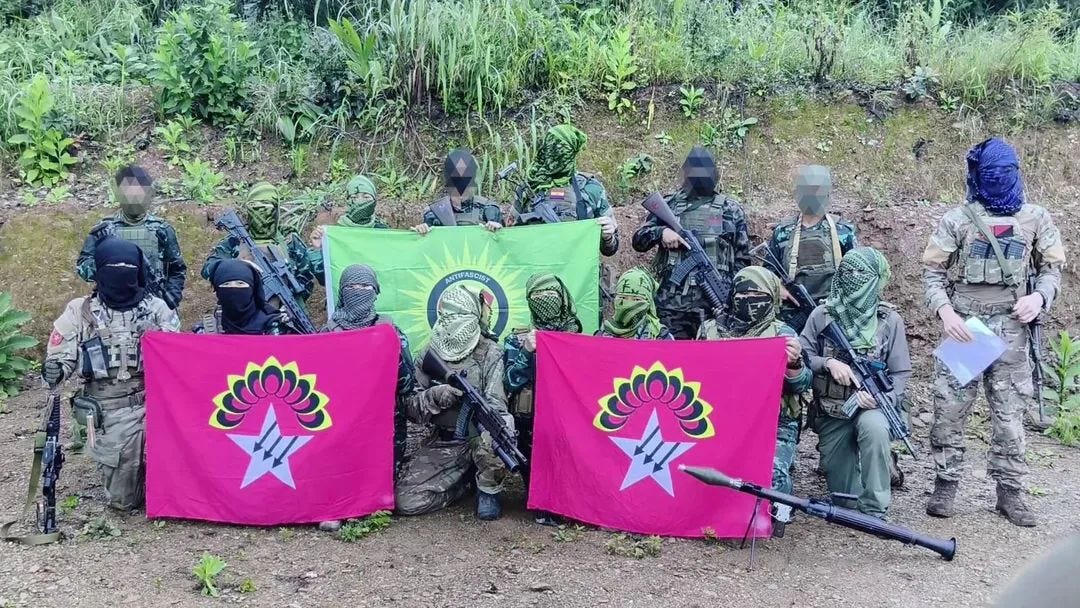
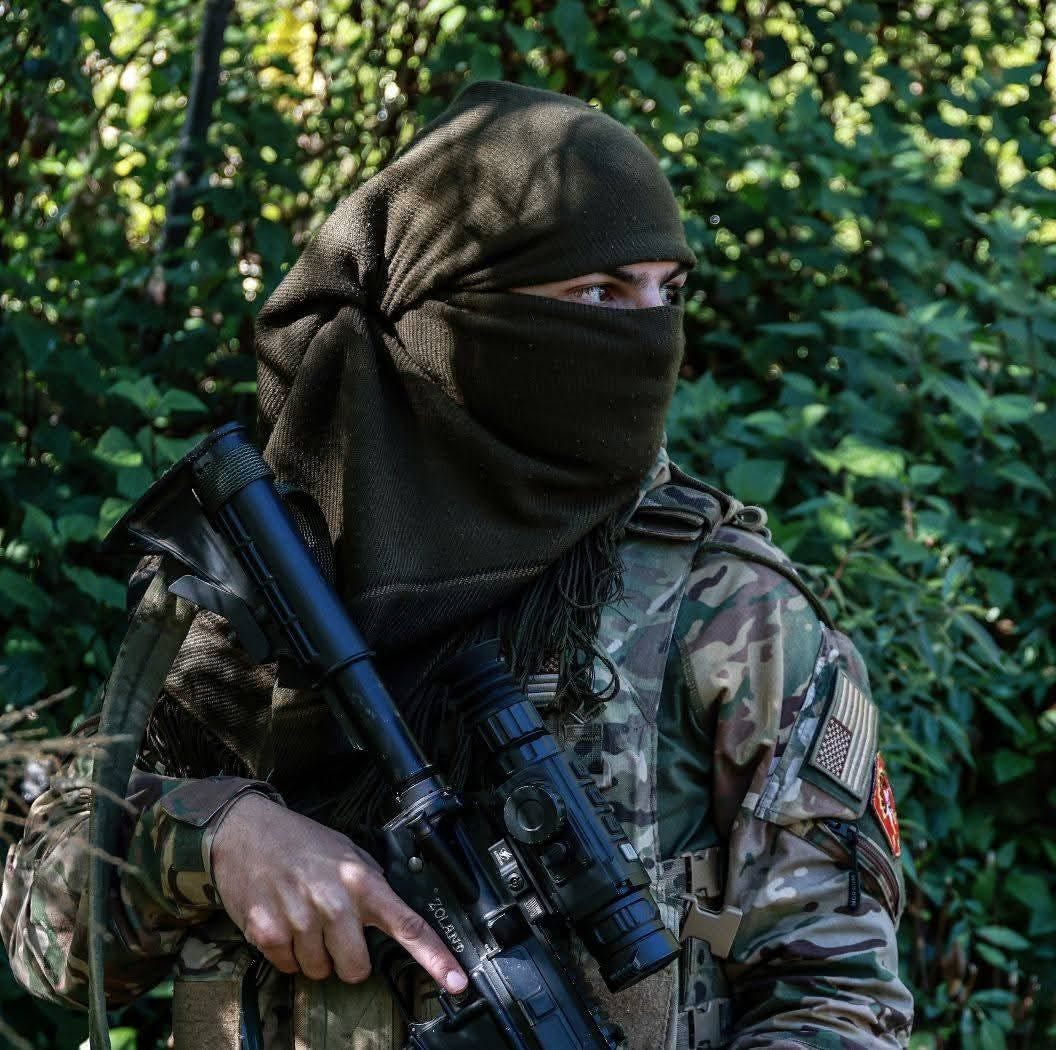
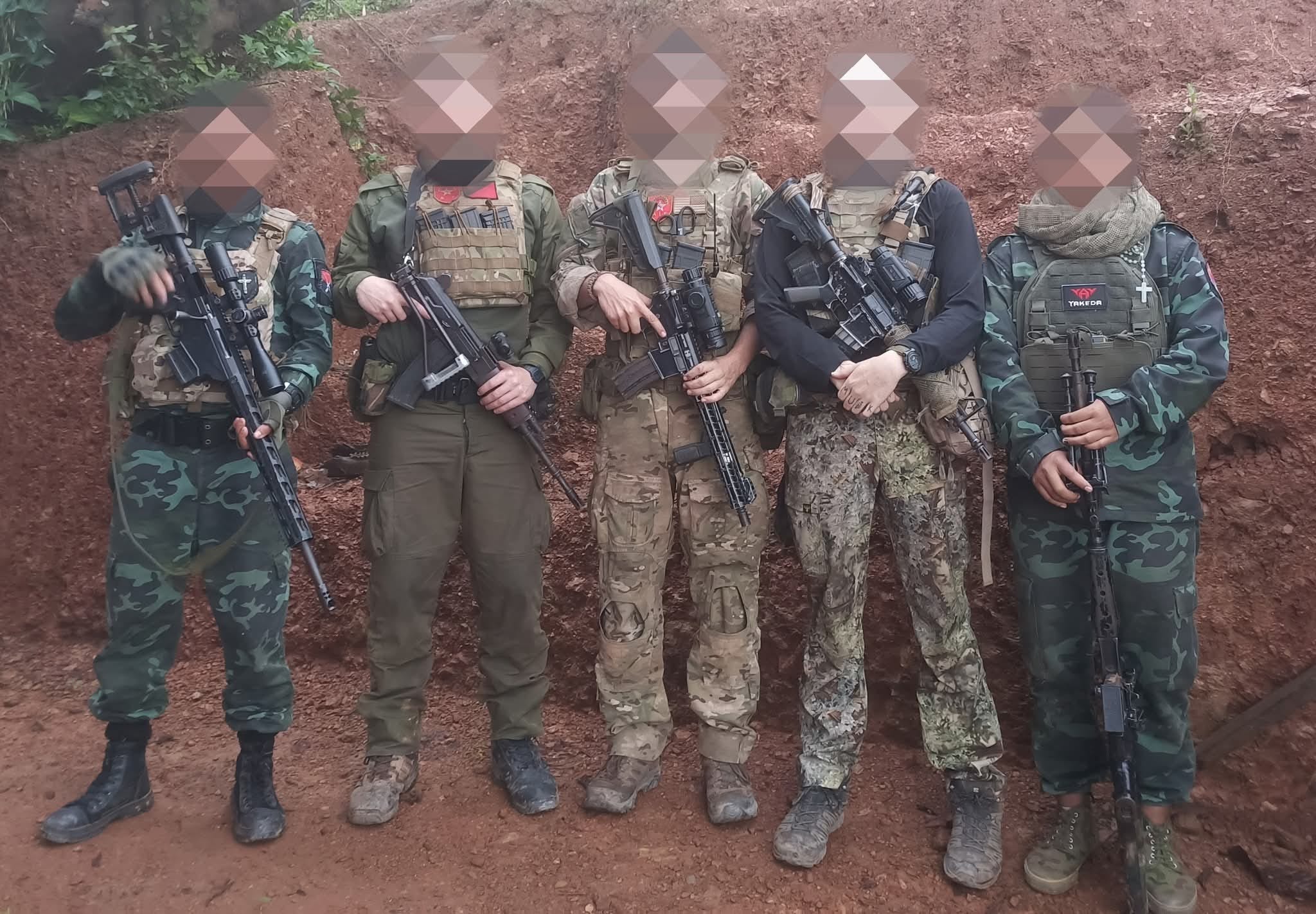
One such anti-junta force is the Anti-Fascist International Front (AIF), a relatively new armed group that came together before the Battle of Falam. Below, we have an interview with Azad, a fighter of the AIF. Militant Wire co-founder War Noir facilitated and conducted the interview.
(Please note, the subject of this interview is not speaking on behalf of the AIF.
When was the Anti-Fascist International Front (AIF) formed and what is its main goal?
The Anti-Fascist Internationalist Front is a formation of individuals of many nations, fighting alongside the peoples of Myanmar in their struggle against the dictatorship. It was formed on October 15th, 2024, just before the Battle of Falam, as a collaborative effort of internationalists inside and outside of Myanmar. The "main goal" of the AIF is to stand in practical solidarity with the peoples of Burma in their ongoing revolution against a totalitarian system, and ultimately participate in the revolution as part of the natural self-defense mechanism of democratic society.
What challenges did you face while organizing the AIF?
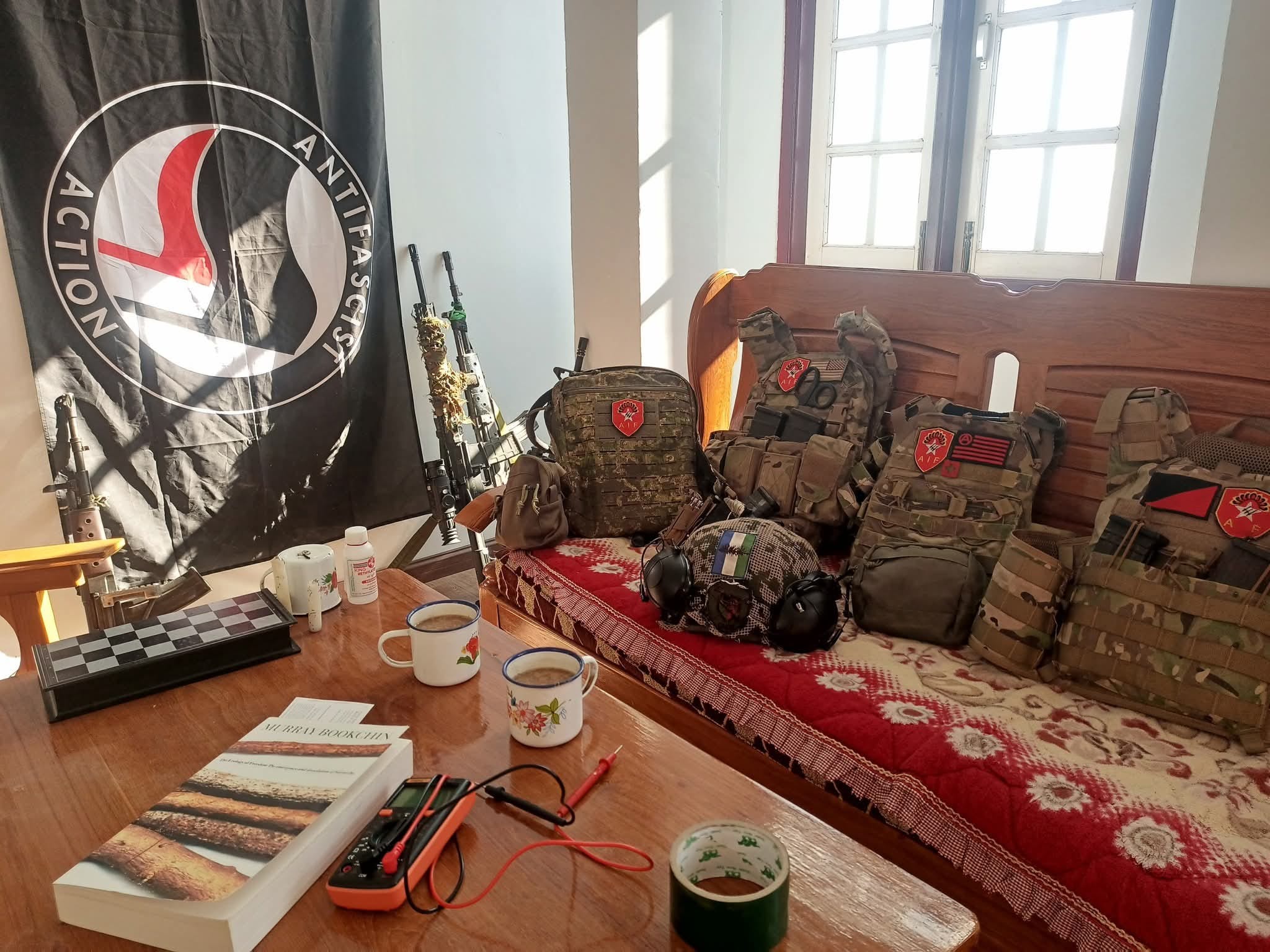
While in Myanmar, we have been met with great reception from comrades of every background. There was a period of uncertainty in foreign leftist and internationalist circles about the AIF. Due to the nature of the struggle here, we had to be very careful about what information came out to the public, and naturally there was not a lot of information available for the first four or five months of the AIF. Thankfully, many of our comrades are now back in their home countries, and the practical experience of the AIF in Myanmar is being shared both online and in person.
How would you describe the ideology of AIF?
The AIF has yet to publicly disclose a position on this topic. I think positions on certain abstract issues are less important than the values expressed by the practical expression of internationalist solidarity currently displayed by the AIF. Most comrades are coming to Myanmar from a leftist background, anarchists, socialists, confederalists. Many comrades have prior experience in the ongoing revolution in Kurdistan. The overarching theme is that internationalists are coming to Myanmar to stand in solidarity with the path that the people themselves are carving against dictatorship and authoritarianism, not to enforce their own beliefs.
Is AIF an independent group or does it operate as part of another group?
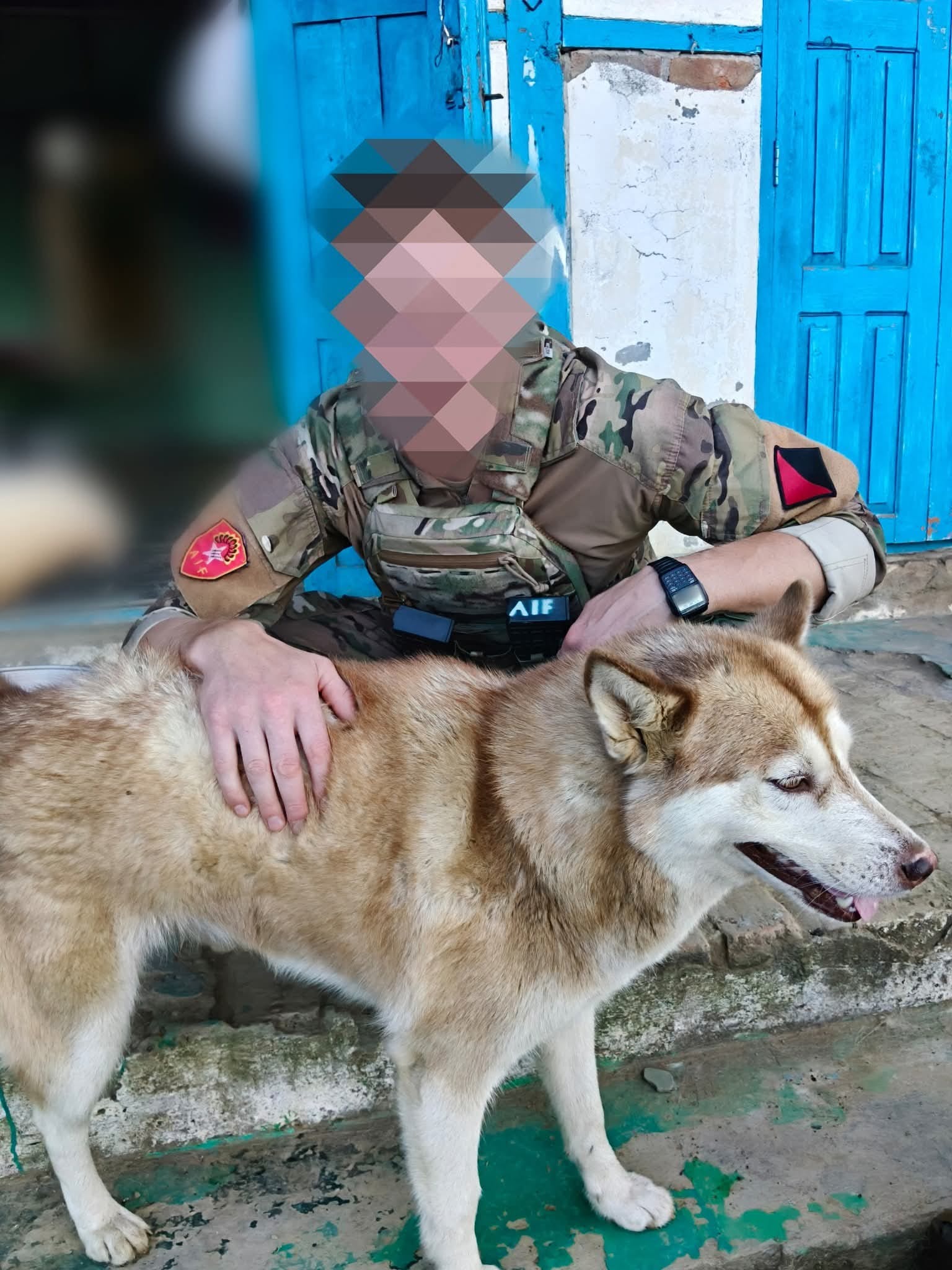
The AIF is an autonomous internationalist formation.
Which groups do you consider your allies?
Not speaking for the organization here, but the AIF has worked with and will continue to work with any group fighting the SAC dictatorship on behalf of the peoples' will in the transition to a more democratic society. Until now we have mostly been working with groups in the Chin Brotherhood alliance, but we have fought alongside and participated in training with Chinland Council groups, as well as revolutionary armies from all around the country.
Has the group or fighters previously participated in other conflicts outside Myanmar?
Some comrades have previous experience in other struggles, political as well as military. Others do not. For us, it is not a meaningful distinction, as we are here first and foremost as revolutionaries, not as some kind of foreign special forces.
What is the attitude of locals and other groups of fighters towards the AIF?
Without the support of our on-the-ground partners and allies, the AIF as a concept would not be possible, and we would not have been able to achieve the degree of success we have today. As internationalists, we're humbled by the response that local comrades of all ethnicities and backgrounds have had towards the AIF. In a real way, with dozens of nations within "Myanmar" uniting to fight against the dictatorship, the current revolution is already inherently internationalist. The AIF is just another addition to that struggle.
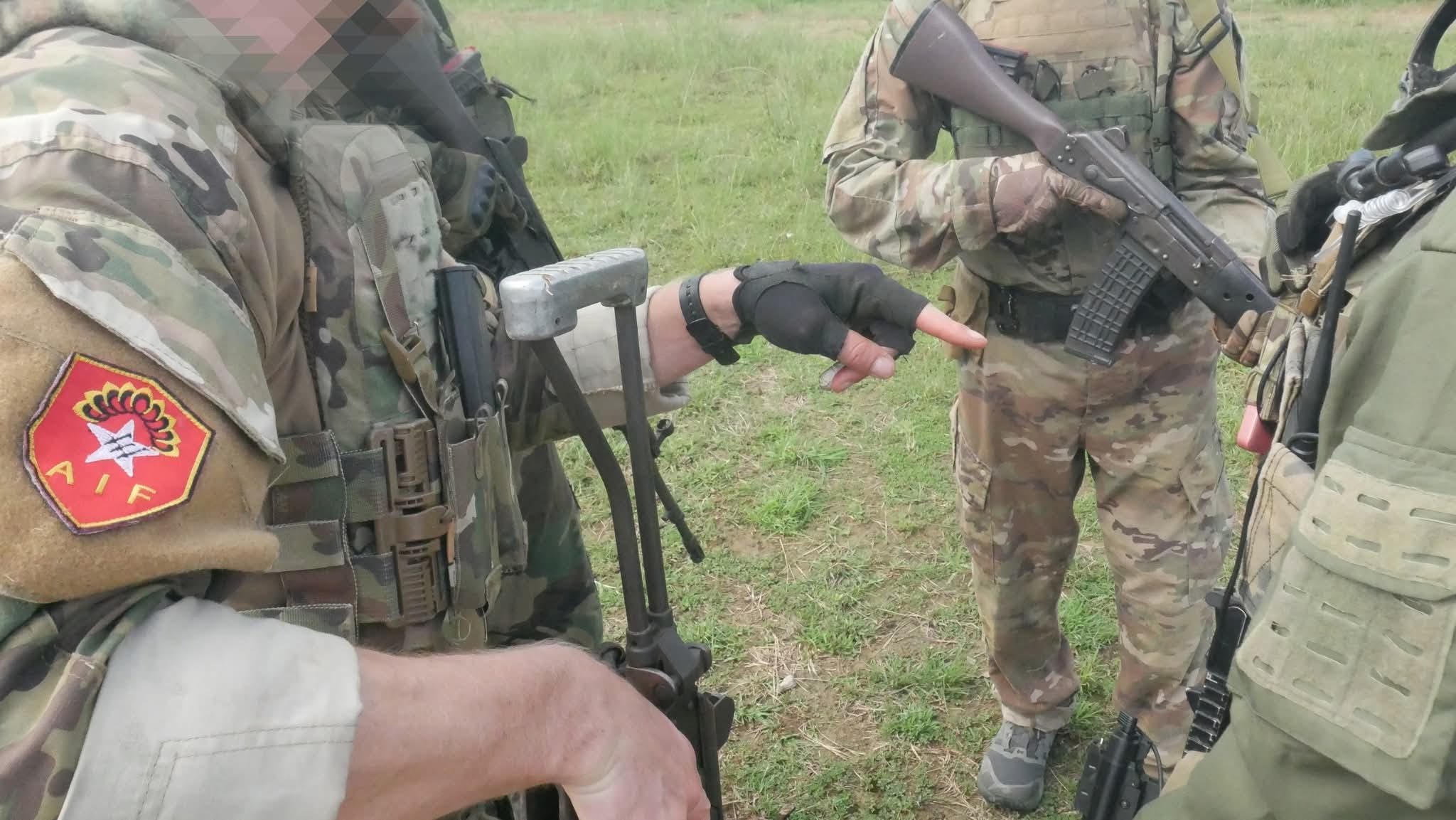
The AIF played an active role in the Battle of Falam. Could you talk a little about the significance of the battle?
The AIF was formed just before the battle, and participated in the preparations and early recon — all the way to the last day of the battle. Falam is said to be the only battle of its size to have been waged completely by groups formed after the 2021 coup. While there was critical logistical support from existing EROs [EROs aka ethnic armed organizations is another terms for EAOs], Falam was a great example of the strength and potential of the armies of the spring revolution, and it was an honor that internationalists could share in that victory.
Do you think the fight against the junta has received sufficient international coverage and attention?
Mainstream media outlets, driven mostly by profit, find it hard to cover Myanmar, where the popular resistance is difficult to find an easy angle to glamorize, and the everyday tragedy of the reality of civil war is uninteresting to viewers. Except for when an earthquake kills hundreds, a junta airstrike kills dozens, or a flood washes away a village, the media is largely silent. At the same time, inaccurate and sensationalist headlines like, "The junta has lost control of most of the country" misrepresent the reality of the situation. Anyone who wants to pay attention to the conflict would do well to ignore any cynical coverage of the revolution here. In reality, despite its problems, it is a beautiful and multifaceted revolution of an entire people rising up against an authoritarian regime.
Note: Introduction by Militant Wire editor, writer and analyst Sharon Adarlo.
 | A guest post by
|