

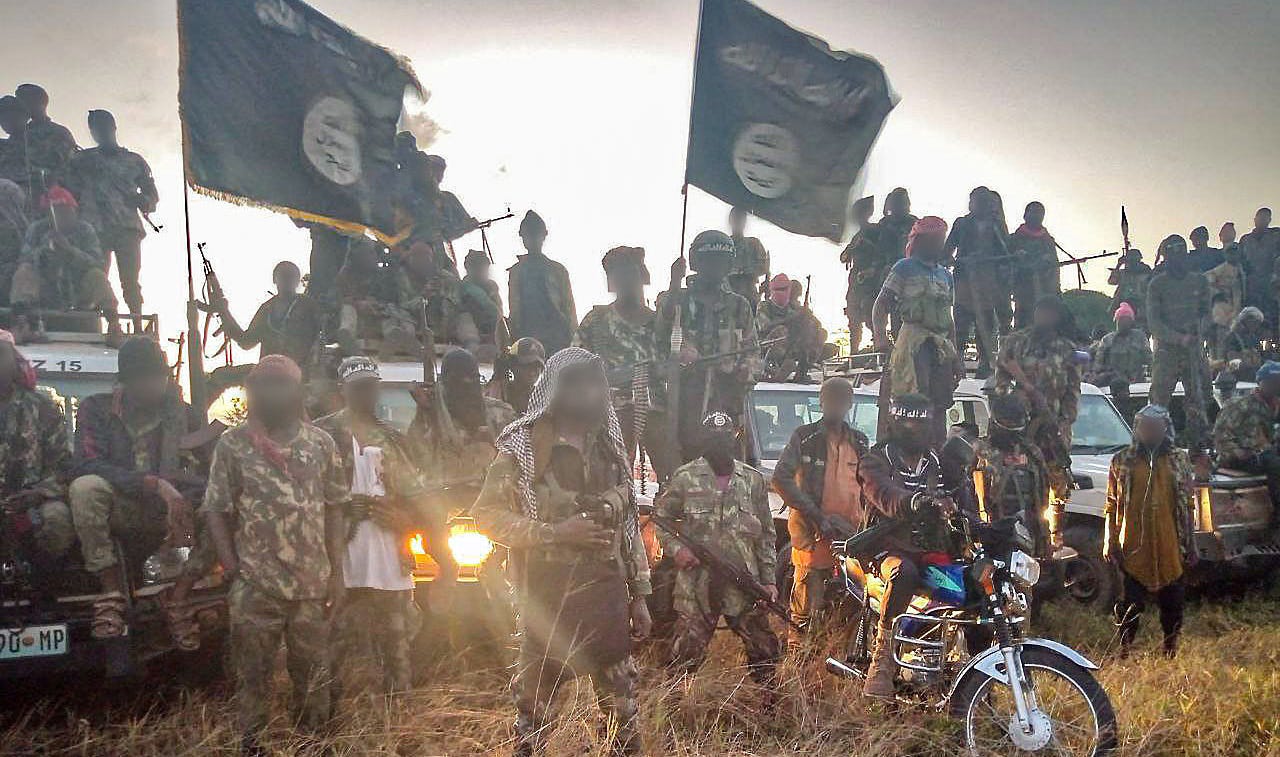
The recent resurgence of fighting in northern Mozambique is once again triggering alarms among observers. Attempts to resolve the violence are threatened by politics from elsewhere in Africa.
Data recently released by ACLED’s Mozambique Conflict Monitor for the first two weeks of March 2026 paint a somewhat bleak picture for the region. During the period covered, there were at least five incidents of political violence documented in the country. These resulted in the deaths of around 30 people, with at least two of the fatalities being civilians. The Islamic State Mozambique (ISM) was found to have been behind four additional events across Mozambique.
The numbers for the length of the insurgency may show why the interest in the country appears to be lackluster, to place it mildly. Since October 1, 2017, there have been a total of 2,338 acts of violence in Cabo Delgado. A total of 6,498 fatalities have occurred, with 2,721 of the deaths being civilians. ISM has launched 2,168 recorded attacks across the rest of the country. The situation in northern Mozambique is drawing some interest now in Washington.
It appears that an attempt by the Mozambican security forces to drive militants from the Catapu Forest Reserve in early February 2026 failed. Subsequently, the militants have been able to use the forest as a base of operations. Their presence in the forest also gives the militants the ability to contest control of the N380 Motorway. This is a major economic lifeline in the province, and militants’ ability to interrupt normal traffic flows presents a serious challenge to the government to provide services to the citizens, let alone disrupting commerce.
Recently, other events outside Mozambique may impact how the country will address this situation. Over the last couple of years, Rwanda has been a major security partner for the Mozambique government. In recent weeks, events regarding the situation in the Democratic Republic of Congo may modify if not end the Rwandan role in combating this insurgency.
The Rwandan presence in Mozambique has been underwritten by the EU since 2022 for 20 million Euros, or 23 million US Dollars. Earlier this month, the EU announced that after the current funding expires in May 2026, it would not renew the funding. The timing of this announcement is interesting to say the least. It comes after the U.S. has sanctioned the Rwandan military for not implementing the Washington Accords. This deal is designed to restore peace and improve the economies of both countries. It is fair to assume that the sanctions may have inspired the EU decision to halt funding to the Rwandan mission. The Rwandan military has stated that if the funding is not restored, it will then withdraw their troops from Mozambique.
This move places Mozambique’s Maputo in a precarious state. It still has an insurgency raging in its northeast, and the major ally that was aiding in counterinsurgency operations is having its funding cease over another issue in Central Africa.
The President of Mozambique, Daniel Chapo, has travelled to Brussels in order to have the funding restored. Currently, there are no reports on whether this trip will be successful. We might not find out the answer until June. Stalled funding is sure to give ISM time to rest and regroup for a new offensive.
 | A guest post by
|