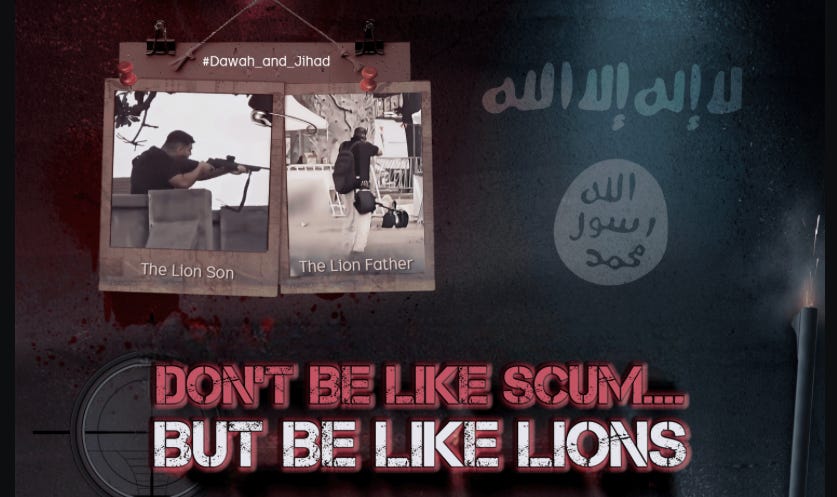
IS Seeks to Exploit Geopolitical Fracture and Great Power Competition to Strike the West, Russia, and China

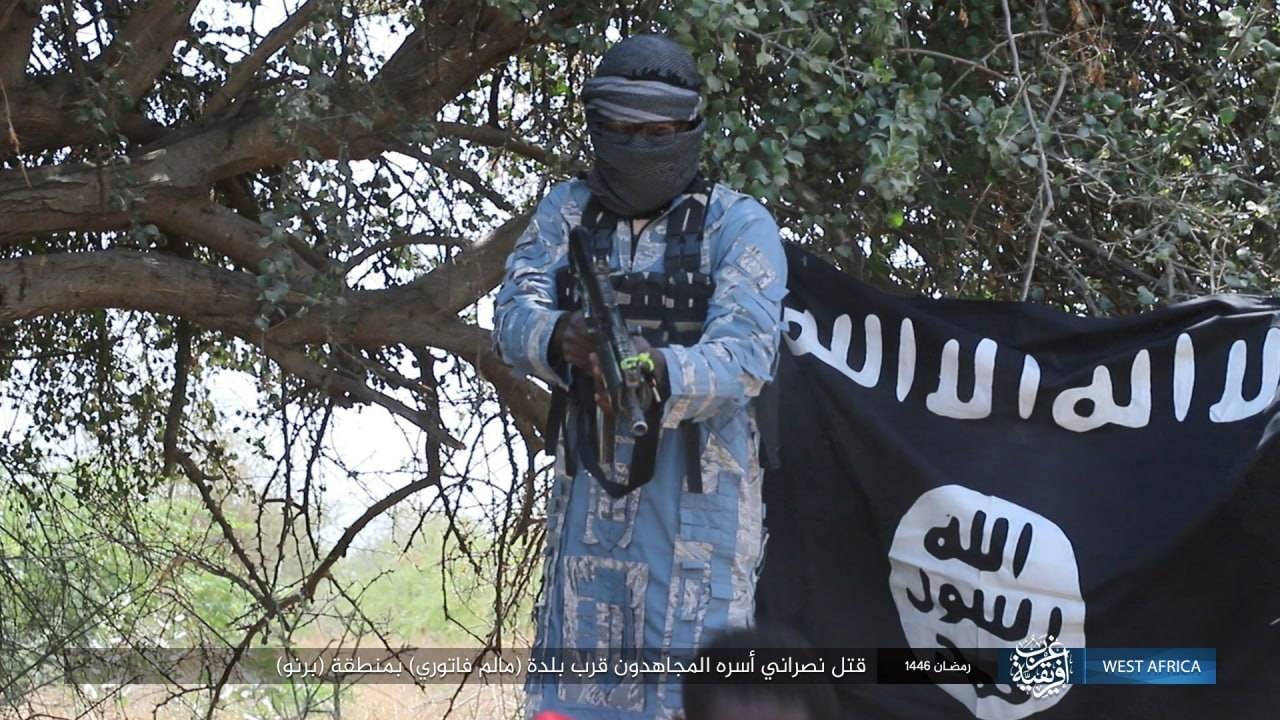
For over a decade, Islamic State (IS) and its affiliates, such as Islamic State Khorasan Province (ISKP), have refined a strategic doctrine that transforms great power rivalry, regional conflicts, and stretched Western security resources into operational advantages. As geopolitical tensions intensify and great power competition accelerates across multiple theaters, U.S.-China strategic rivalry in the Indo-Pacific over Taiwan and trade wars, Russia-West confrontation in Eastern Europe and the Middle East, Western retrenchment from the Sahel enabling Russian influence expansion, and regional power struggles involving Iran, Israel, and Gulf states, IS has positioned its jihadist operations within these fault lines to maximum effect.
The recent Al-Naba editorials (issues 526, 527, and 528) released between December 11, 2025, and January 1, 2026, represent not an isolated surge in incitement, but the culmination of a long-established pattern: capitalizing on divided attention, stretched resources, and the inability of competing powers to maintain unified counterterrorism coordination. This doctrine, articulated through sophisticated propaganda, validated through high-profile attacks, and sustained across multiple theaters, reveals IS as an organization that has internalized the mechanics of asymmetric warfare in a multipolar world fractured by competing strategic priorities.