


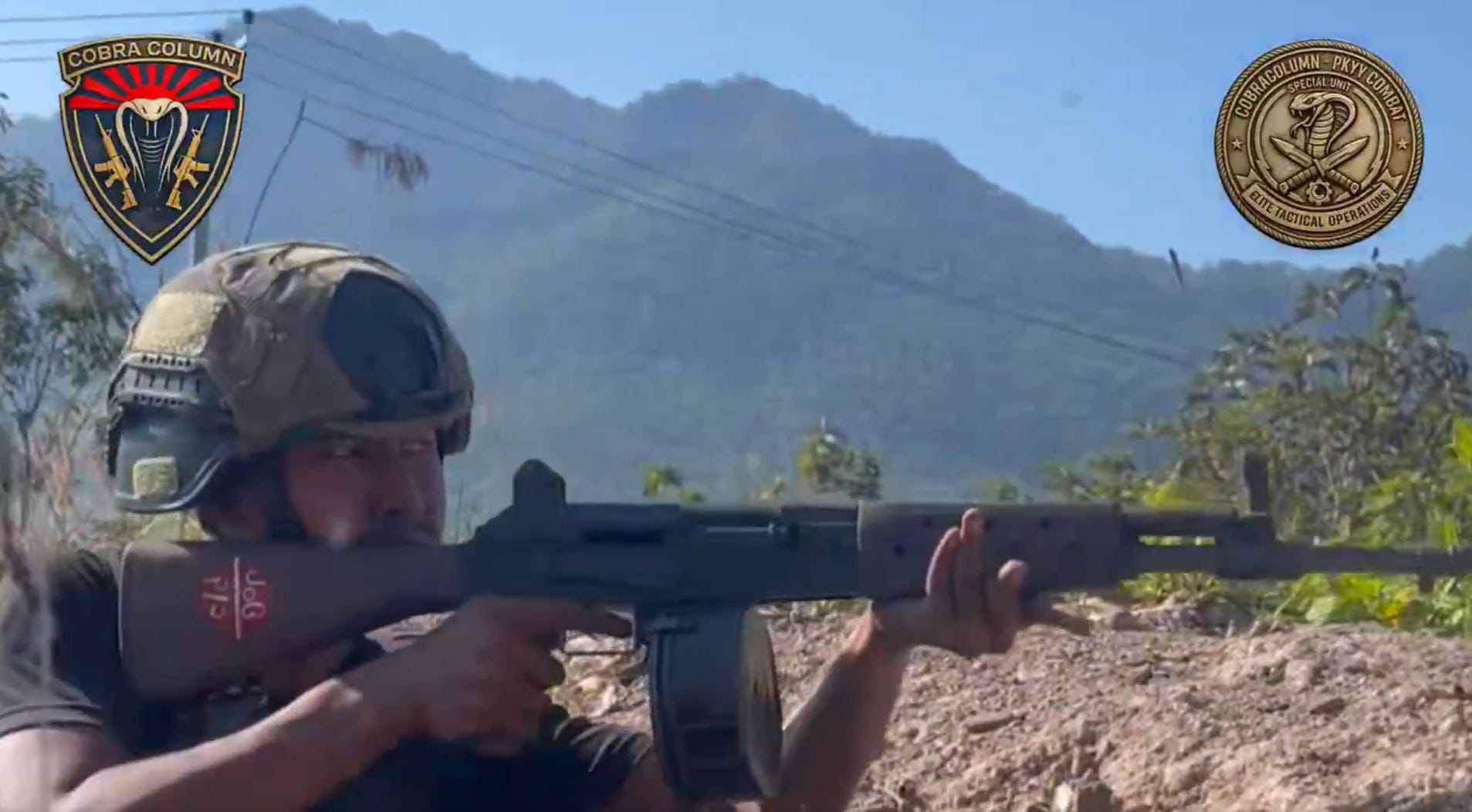
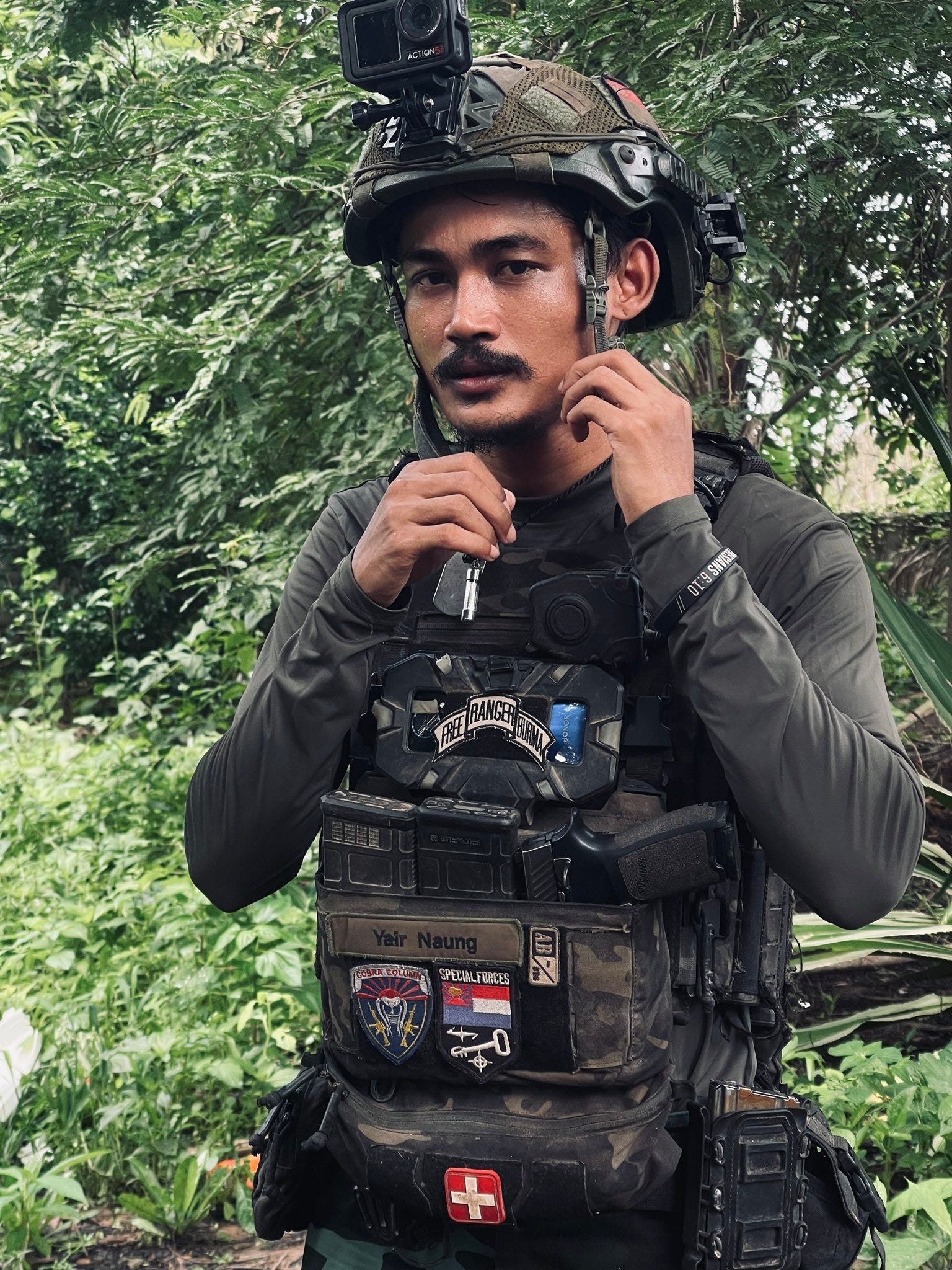
The following interview was conducted by Militant Wire researchers, Tom Lord (The WannabeWonk), Harold Chambers, and Uday, with a member of the elite guerrilla unit, the Cobra Column, fighting alongside the Karen National Liberation Army (KNLA). Throughout the interview, he will be referred to by his preferred nom de guerre, “Revoloutionary Comrade,” or “RC” for short.
Beginning with a coup d’etat against the democratically elected government in 2021, Myanmar’s military (known as the “Tatmadaw”) arrested members of the country’s civilian leadership, subsequently ruling under a violent junta, which led to significant resistance hardly seen before within urban areas, and soon spread to the rural countryside and drew in dozens of the country’s many previously existing ethno-religious and political militias. Further, unprecedented was the formation of a multi-ethnic, multi-confessional popular militia known as The Peoples’ Defense Forces (PDF), which has since had close collaboration with fellow anti-junta forces, who have been fighting their own small-scale regional conflicts against the government since Myanmar/Burma’s independence in 1948. Prior to the ongoing conflict that began in 2021, Myanmar has experienced the longest running insurgency in Asia, which has only escalated since the 2021 coup.
In the past five years of fighting, the Tatmadaw has suffered significant losses, mostly via ambushes and raids on military outposts conducted by anti-junta forces, and has responded with overwhelming violence, to include artillery and airstrikes on civilian areas, summary executions, sexual violence, and other brutally oppressive measures. Anti-junta forces, in the meantime, have managed to capture a significant amount of military equipment, recruit and train large populations affected by Tatmadaw reprisals, and nominally hold roughly 50% of the country’s territory—mostly in rural areas, as unrest in the urban centers of Yangon, Mandalay and Napyidaw has largely been suppressed by the state. However, suppressing anti-junta movements in the country’s three major cities has come at the cost of redeploying state security forces from provincial bases and outposts back to these cities, thinning their forces in guerrilla-heavy regions.
The KNLA is one of dozens of militias operating in the country, most of which are anti-junta, but some of which remain loyal to the government, while others are outright neutral and seek simply to hold on to existing territories that they already occupy. Most of the KNLA’s control is the in the southeast of the country, along the border with Thailand.
The KNLA itself has been fighting the government since the 1960s in an effort to gain self-determination in regions inhabited by the ethnic Karen people, and its partner Cobra Column has been noted for several successful raids, ambushes, capture of state security forces and materiel. Altogether, various anti-junta fighters are thought to number in the tens-of-thousands, while the state maintains roughly 150,000 security personnel.
Currently, a National Unity Government (NUG) functions in opposition to the junta while in exile, and many of the country’s militias have sworn allegiance to the NUG.
Militant Wire:
First, would you care to introduce yourself, your unit—the Cobra Column—and its place alongside the KNLA?
Revolutionary Comrade:
First of all, thank you for giving me the opportunity to speak about matters related to the revolution. Please consider this as an interview in which I am sharing my personal views and experiences regarding the revolution.
You can simply refer to me as “a revolutionary comrade” without using my name. I am of mixed Arakanese and Burmese heritage, and I came to Karen State in 2021 to participate in the revolution. In 2021, I attended basic military training provided by the KNU and NUG, and I officially began participating in the revolution during the Battle of Lay Kay Kaw on December 15, 2021. At present, I am serving on the front lines as a Deputy Company Commander with Major Da Baw Cobra Column and the joint forces of the KNLA.
Militant Wire:
How long has the KNLA been involved in armed conflict with the government, and when was the Cobra Column officially formed? How did your unit come to collaborate with the KNLA?
RC:
In my view, the KNLA is the military wing, while the KNU is the political organization. They have already established their military and political structures in an organized way. Since the military coup in 2021, it has been widely known that the KNU/KNLA has stood firmly with the people in the struggle for a federal democratic system. Cobra Column was formed around February 2022 by Major Da Baw of the KNLA. Since its establishment, and continuing to this day, Cobra Column has been conducting military operations jointly with the KNLA.
Militant Wire:
How would you describe the intensity of combat, presently? Are the “frontlines” moving at all, or are positions remaining fairly static?
RC:
Given the current military situation, there are certain things I cannot discuss. I believe you will understand that this is because of operational security. What I can say for certain is that the military junta has been launching offensives almost every day with forces numbering in the thousands, superior weaponry, Russian and Chinese fighter aircraft, missiles, and various other types of weapons.
Militant Wire:
What is the Cobra Column’s specialization, and how do they operate apart from other units of the KNLA?
RC:
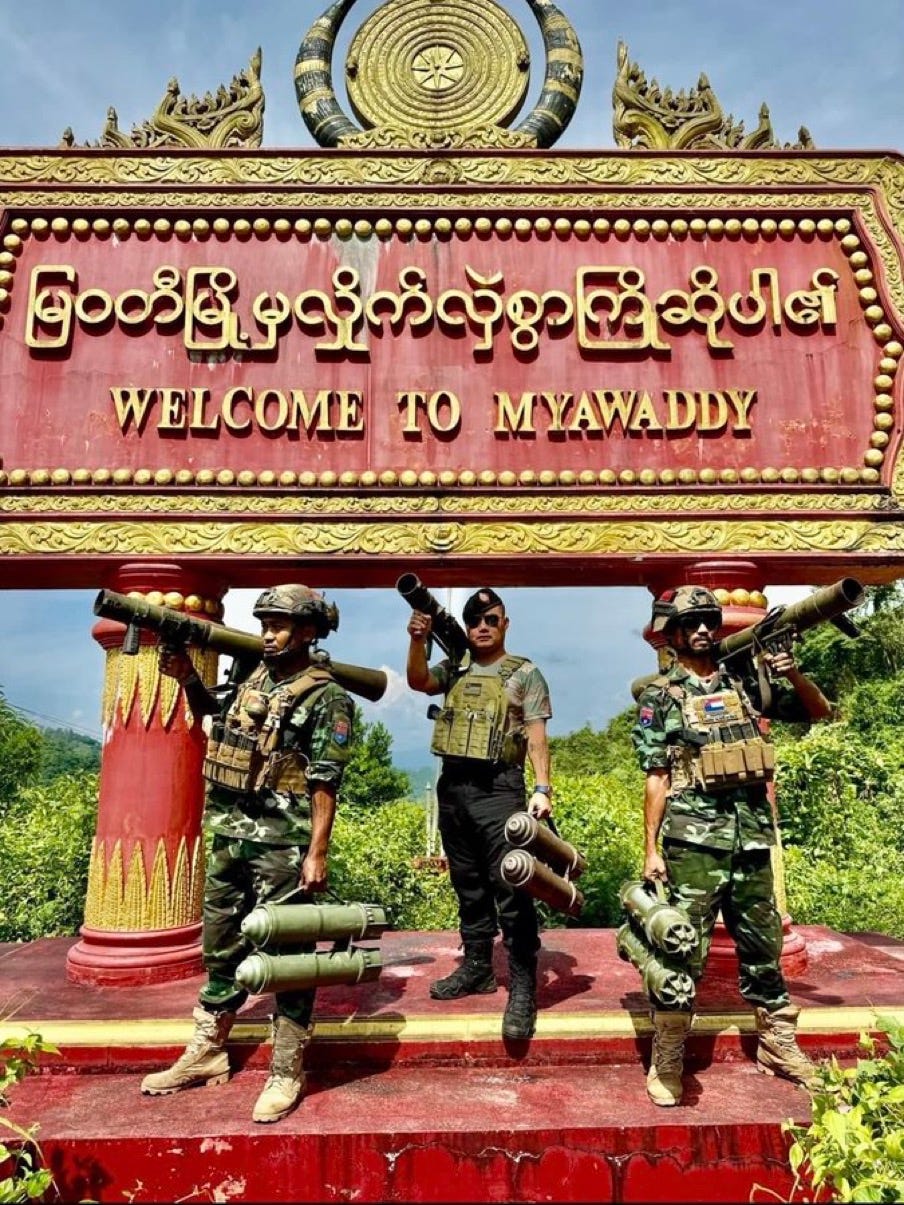
Cobra Column has good relationships with allied groups that want to participate in the revolution. One of the things that distinguishes us is that our commander is relatively young and has a unique ability to combine technology with military expertise when developing strategies.
Militant Wire:
How did the 2021 coup affect your operational decisions, regarding the resumption and intensification of armed conflict?
RC:
This is quite a difficult question for me to answer. Fighting a war is not as easy as people might think. During the early stages of the revolution, making operational decisions was even more difficult. We have sacrificed a great deal, including lives and enormous amounts of sweat and effort.
Militant Wire:
What significant changes have you seen on the battlefield since the outbreak of widespread fighting in 2021?
RC:
This is difficult for me to answer because different regions have different circumstances, while the revolution is taking place across the entire country.
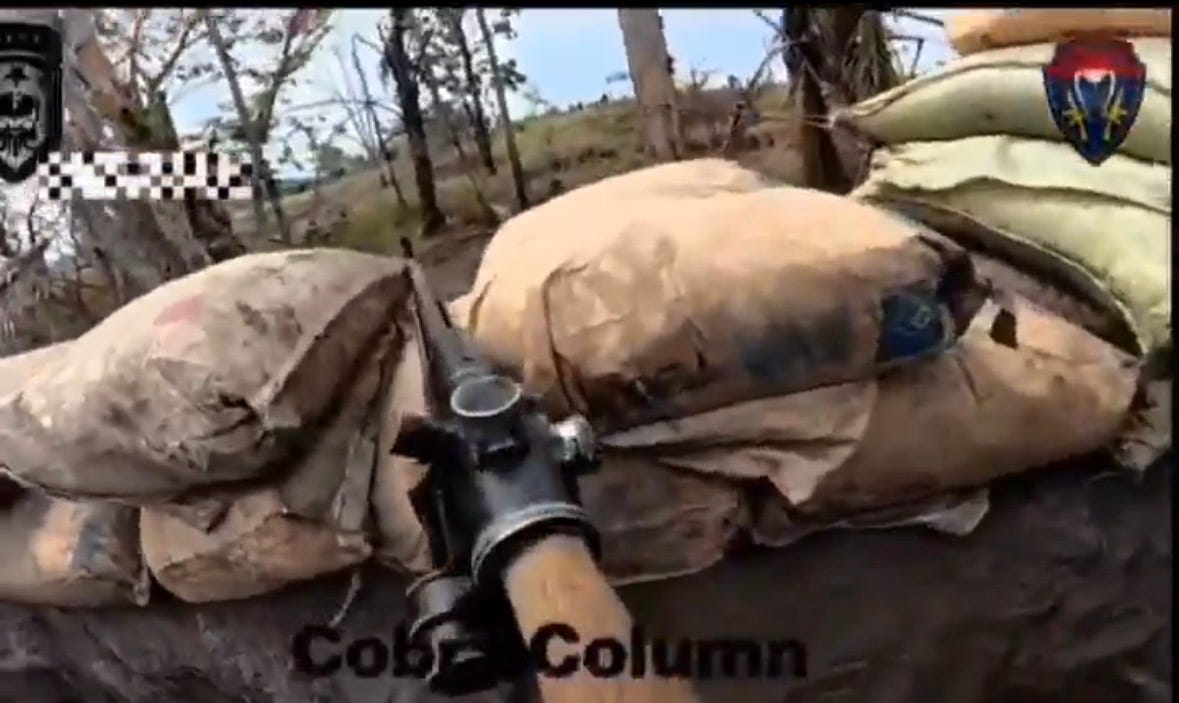
Militant Wire:
How would you describe the current state of the conflict, and has any particular faction managed to make notable gains against government forces? If so, where and how?
RC:
At present, if we are talking about an organization that has taken the clearest position against the military junta while maintaining strong relations with allies across almost an entire state, I would say it is the Arakan Army (AA), led by General Twan Mrat Naing. This is something known around the world.
Militant Wire:
How much support do you have from local civilian populations, and, if we may ask, what forms of support do you receive?
RC:
Apart from occasionally receiving information from local civilians, we do not seek or accept other forms of assistance from them. Nor do I think it is appropriate to ask them for assistance, because they are already facing enormous difficulties while fleeing the conflict themselves.
Militant Wire:
To what extent do you collaborate with fellow anti-junta forces? And to what extent do you interact with the Peoples’ Defense Forces (PDF)?
RC:
Yes, there are situations where we cooperate and work together with our allies.
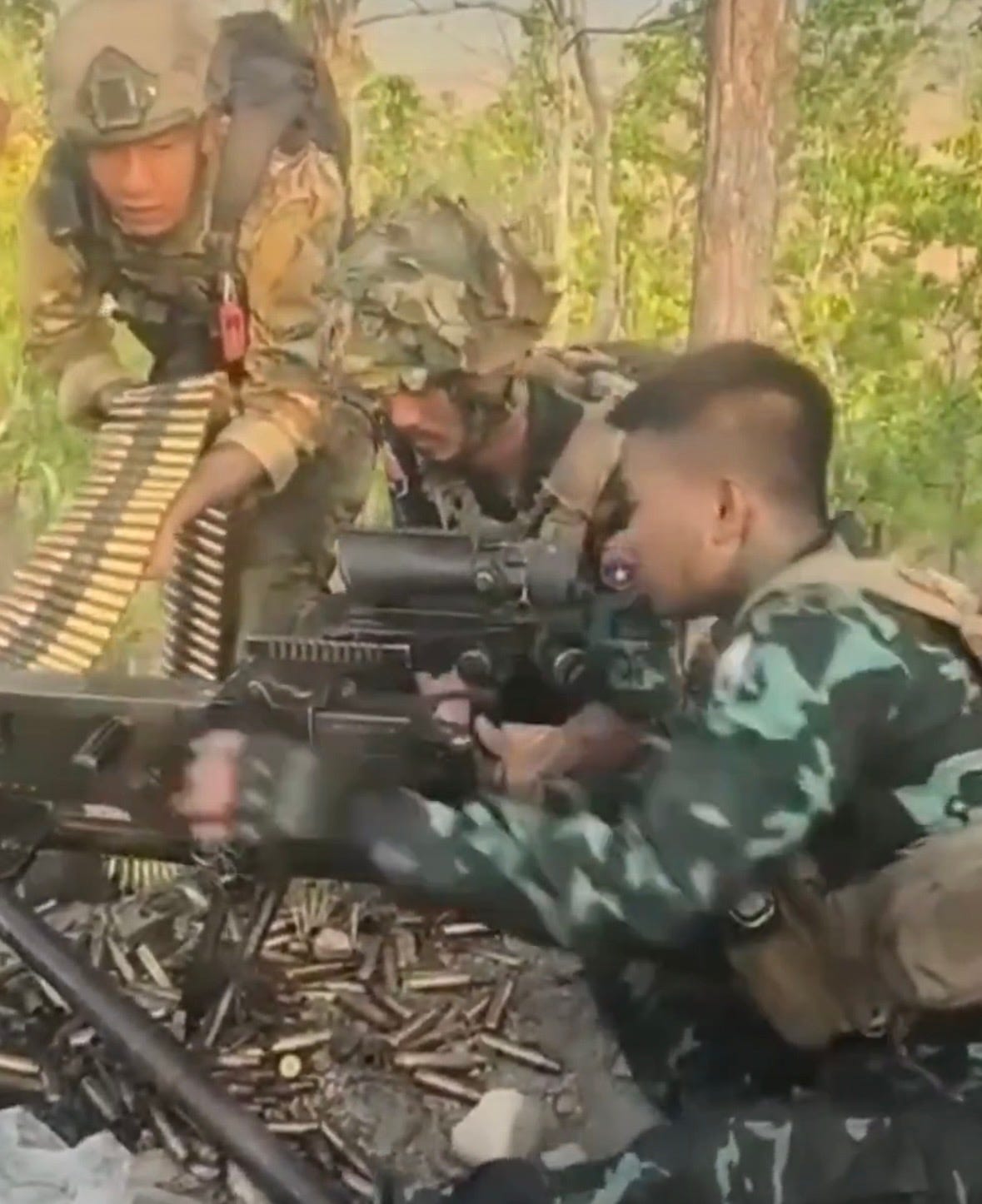
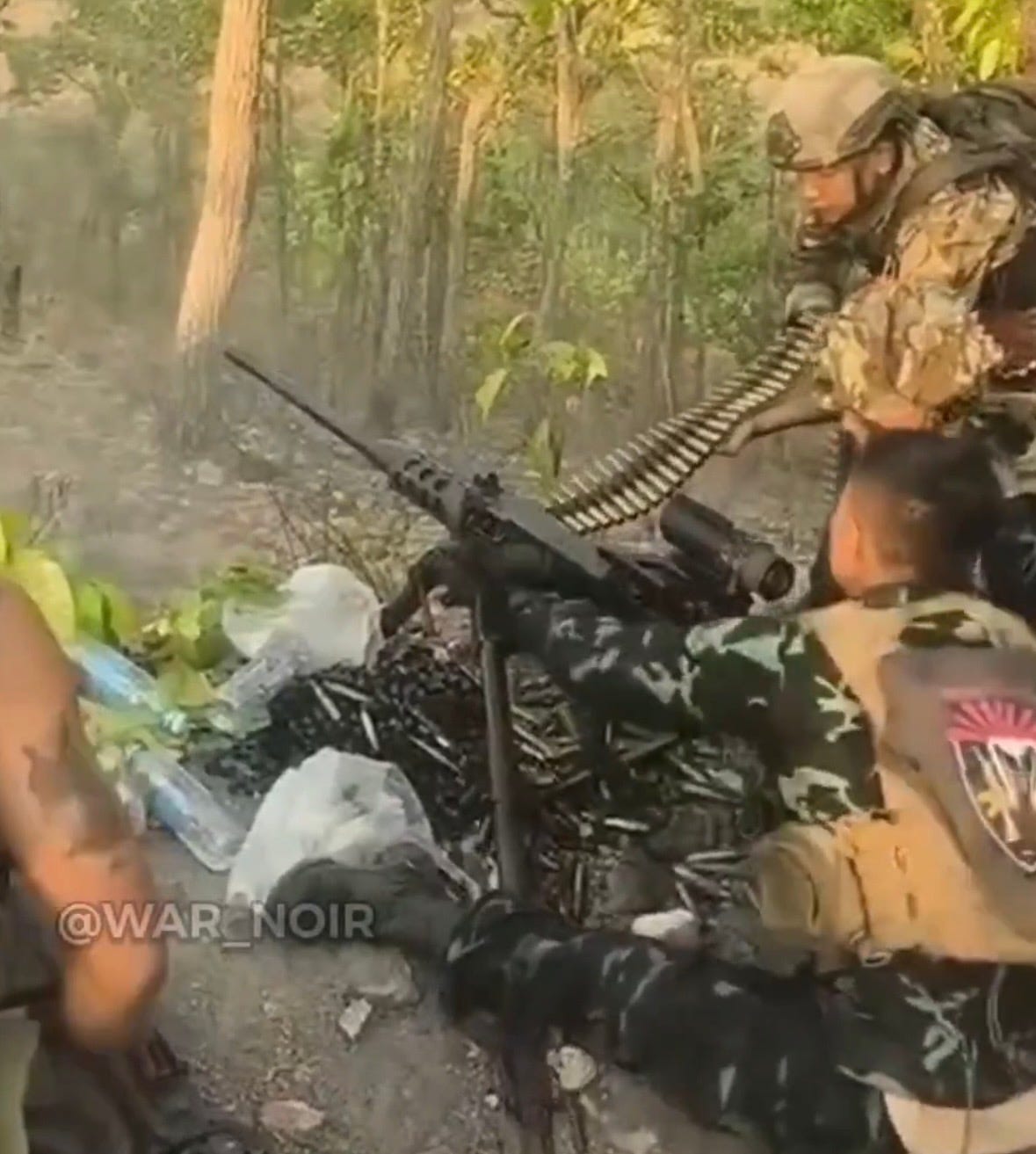
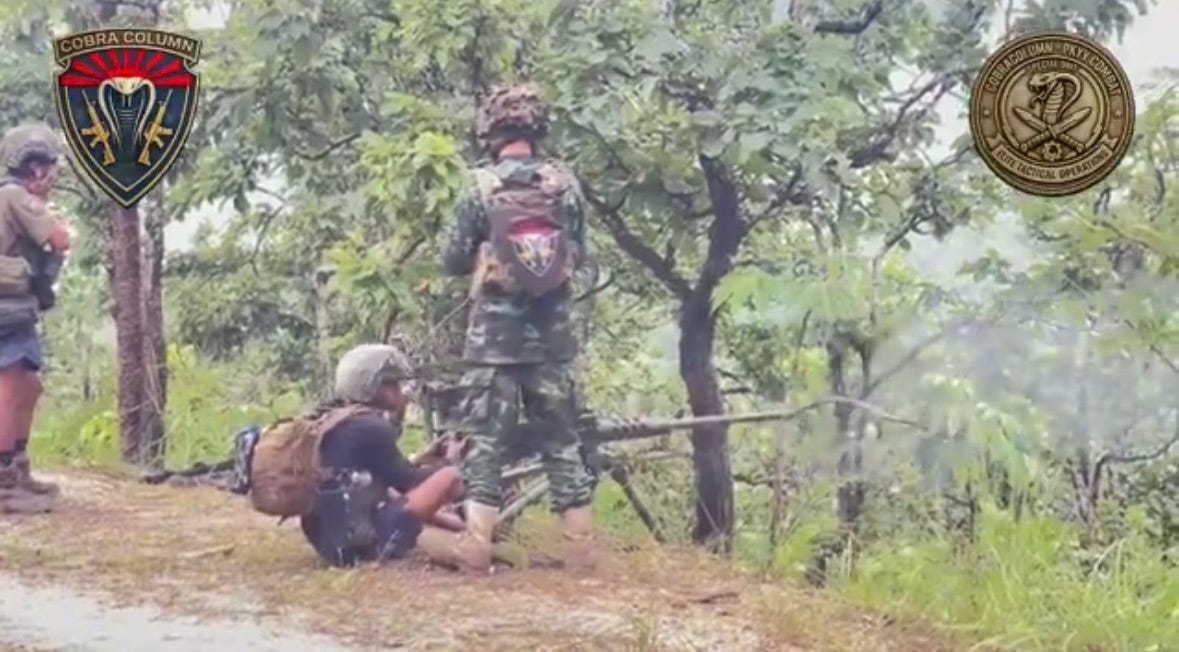
Militant Wire:
How do you see the broader cooperation between anti-junta forces since Operation 1027, or increased military offensives against the junta?
RC:
This is certainly a positive sign for the revolution. However, during 2025, the SAC used both military and political pressure to suppress the MNDAA, TNLA, and AA — the three groups that launched Operation 1027 — as well as the Mandalay PDF, and managed to regain some territories.
To put it simply, it is widely known that the MNDAA and TNLA were pressured by the Chinese government and the military junta, with the junta subsequently being able to regain some areas previously controlled by them. This clearly demonstrates the involvement of the Chinese government in Myanmar’s revolution and civil war.
Militant Wire:
Since 2021, anti-junta forces in Myanmar have been among the most innovative in irregular warfare across global conflict zones today. How have you and your unit seen the military capabilities of your and other militias evolve during the last five years?
RC:
We have had to make many changes and improvements. Simply put, as young people who moved from civilian life toward an armed struggle against dictatorship, we have had to sacrifice and transform ourselves in many ways. We have also had to work every year to improve and become more capable.
For example, we have had to combine weapons, ammunition, technology, and military strategy. Just as revolutionary forces have been improving according to the level of support they receive each year, we have also seen the military junta adopting new weapons and technologies with assistance from Russia and China.
In short, even at this point, revolutionary forces still need significant support, both militarily and politically.
Militant Wire:
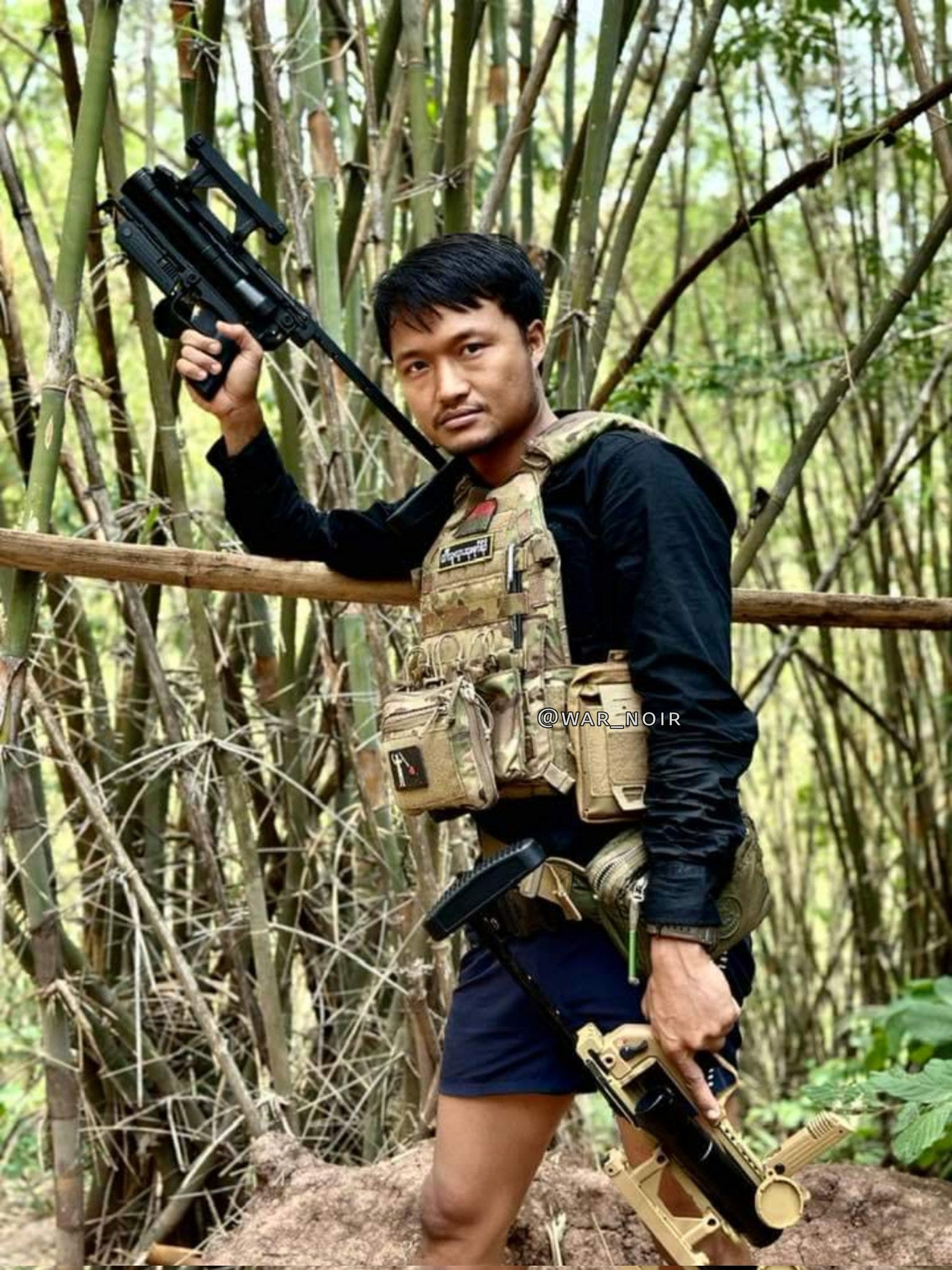
Many rural fighters initially had very primitive weapons to use against the government, the most well-known of which was the “Tumi/Tumee” single-shot hunting rifle. Since, anti-junta militias in Myanmar have been remarkable in not only capturing equipment from state security forces, but also in the indigenous craft-production of arms, from 3D-printed weapons such as the FGC-9, to magazine-fed semi-automatic shotguns, rocket-propelled grenades, and other munitions. Would you care to comment on the production of arms among anti-junta forces, how they have become more sophisticated and what effect they are having on the battlefield today? How has local innovation sustained anti-junta activity since widespread fighting began in 2021?
RC:
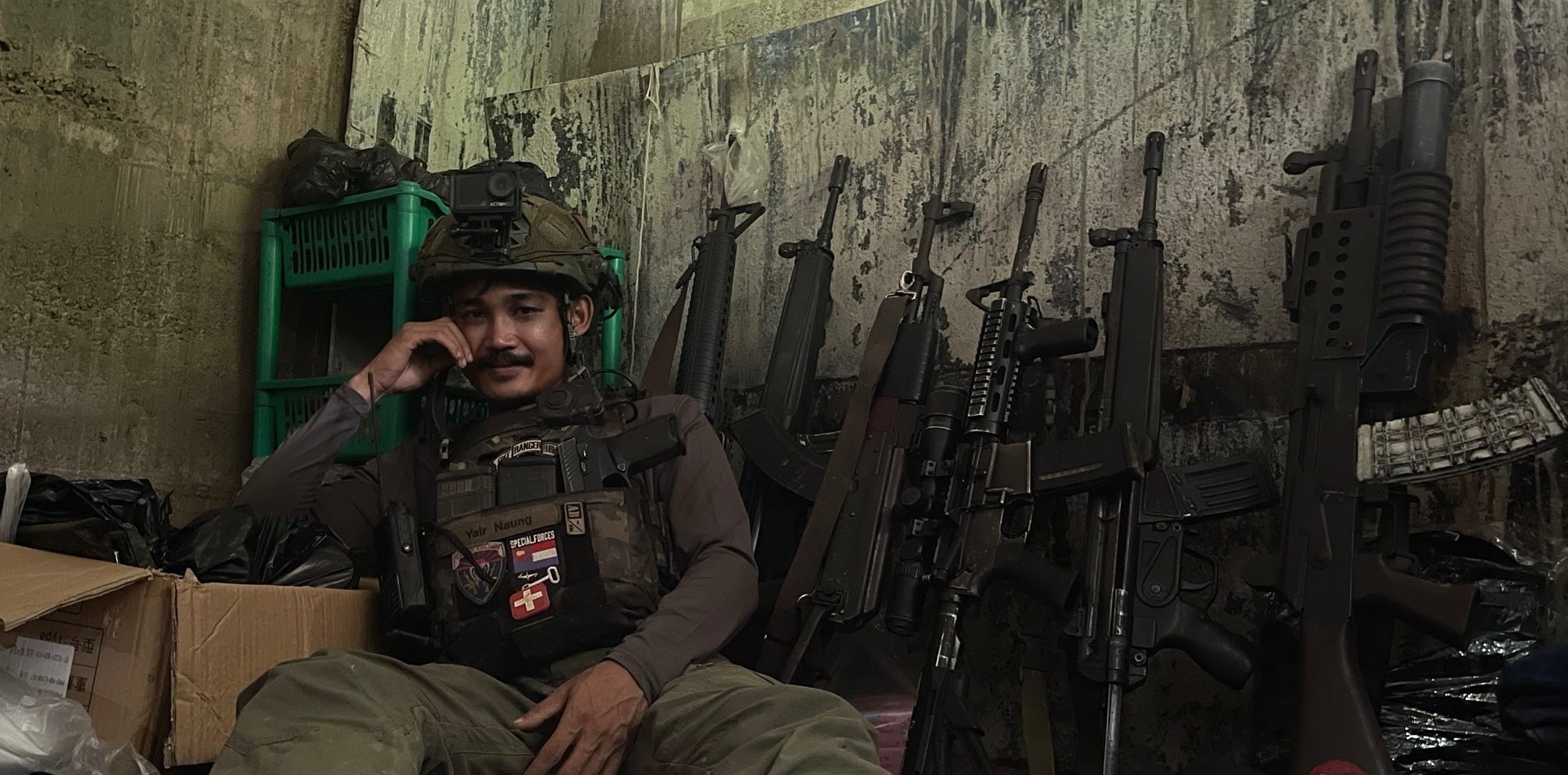
At the beginning of the revolution, the people were trying to fight a military dictatorship that was already fully equipped with weapons, while we had almost nothing. We had to receive military training and weapons training from ethnic armed organizations.
During the early stages of the revolution, we faced enormous shortages of weapons and military equipment. Personally, during my first battle — the Battle of Lay Kay Kaw on December 15, 2021 — I fought with a single-shot, homemade carbine-type firearm that was made using ammunition technology dating back to the Second World War.
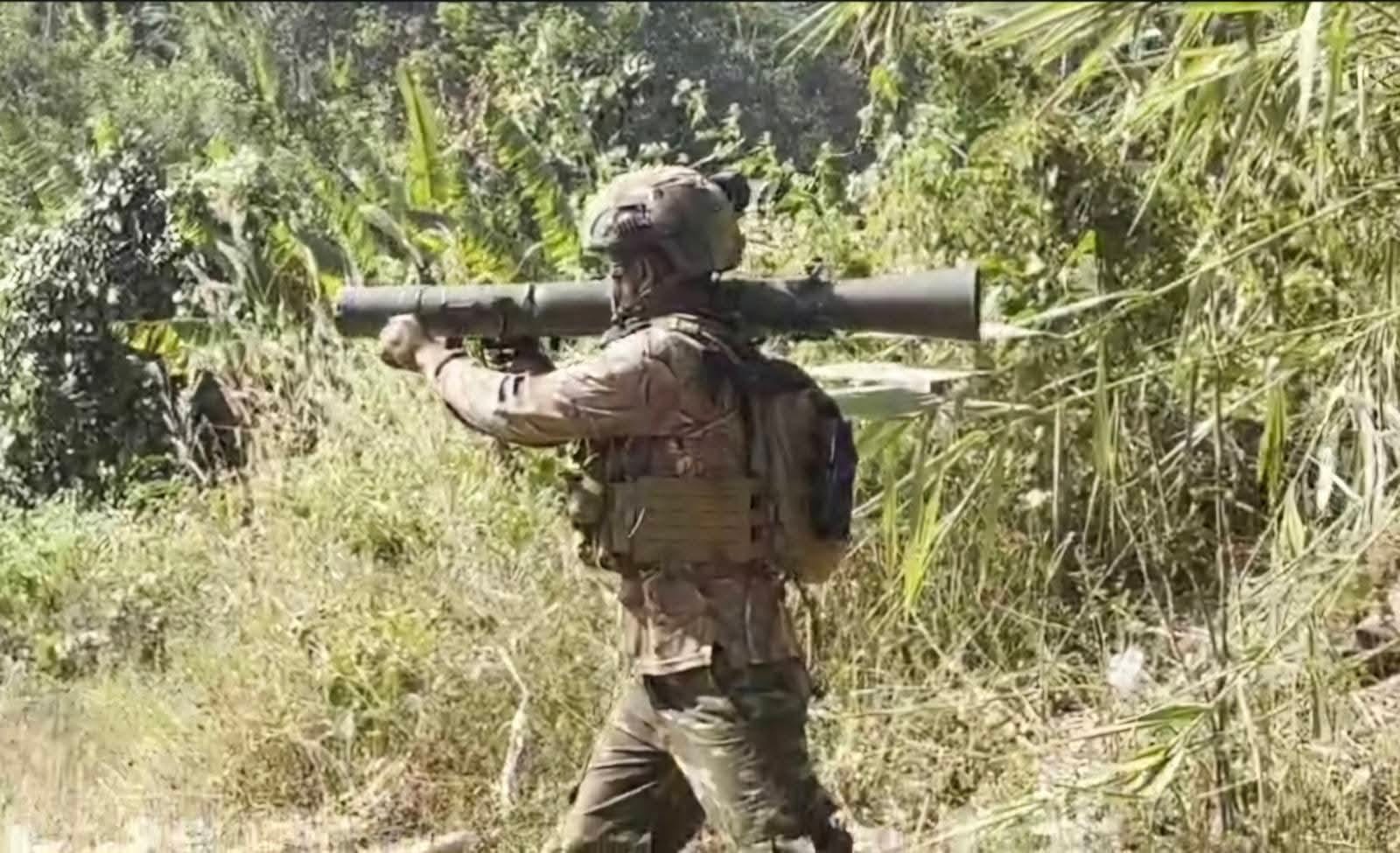
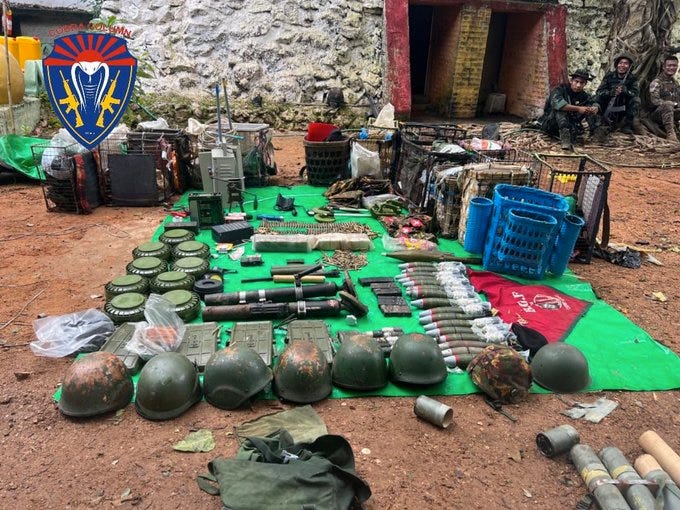
After that, while continuing to fight based on our determination, we had to turn captured enemy weapons into weapons for ourselves. With the weapons and military equipment we obtained, we young people tried to make them more useful by combining them with technology.
In the Sagaing region, we have seen the production of homemade firearms and long-range artillery. However, because production costs are high and support is limited, they still cannot be manufactured in the quantities needed.
Later, through observing the war between Ukraine and Russia, we came to understand how important technology can be in modern warfare. However, because our conflict is a domestic civil war, we have not received the level of international support that Ukraine has received.
Meanwhile, the military junta has been making extensive use of military equipment, technology, fighter aircraft, and drone technology supplied or supported by China and Russia as warfare continues to evolve.
Militant Wire:
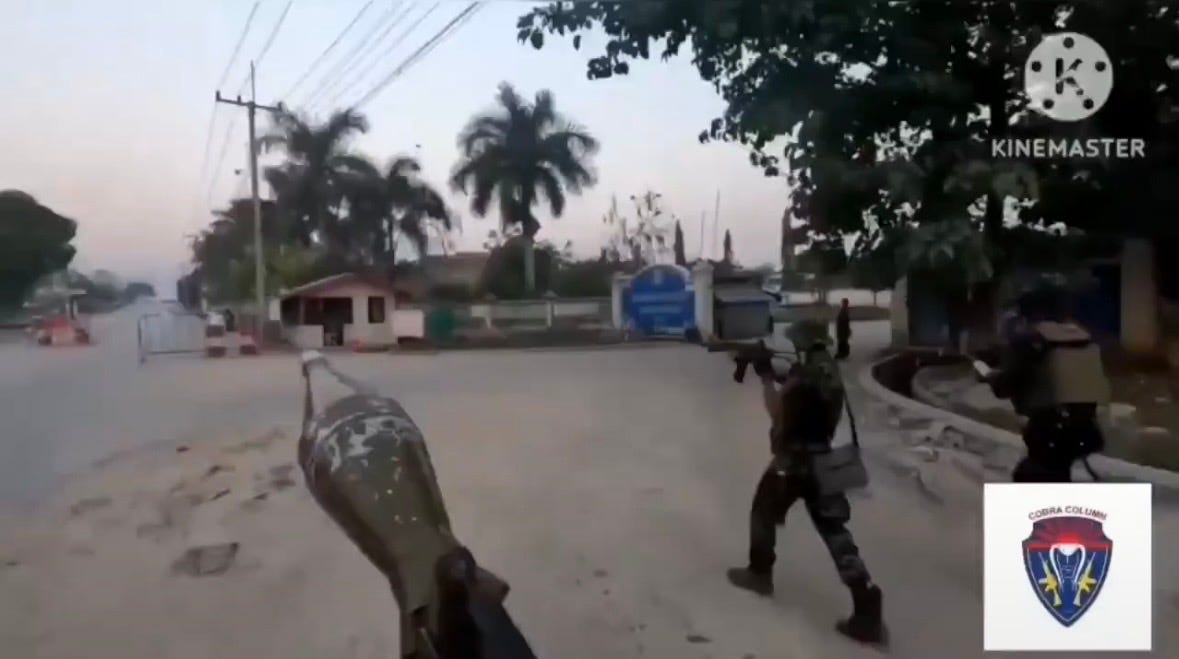
Anti-junta forces have also begun to make extensive use of a variety of drones, to include smaller arms-laden civilian quad-copters, etc. How has the use of drones impacted the battle space, both in your favor and as a threat from the Tatmadaw?
RC:
More recently, battles have increasingly become technological battles, and drone technology has had a significant impact on the battlefield for both sides.
However, there is a major difference between the military junta and revolutionary forces. The junta is able to obtain military drones and related equipment, technology, and supplies from China and Russia according to its needs.
Revolutionary forces, on the other hand, still cannot replenish the number of drones they need through domestic and international support. Even when the technology itself is available, there are still significant difficulties when it comes to obtaining the necessary equipment, components, and financial support.
Militant Wire:
Somewhat on the topic of drone use, there have been comparisons in the relations between Myanmar’s anti-junta forces and the Ukrainian Armed Forces’ struggle with Russia. Have any ties or relations with Ukrainian forces had an impact on your struggle? Have you been able to share tactics or technology?
RC:
Ukraine and the revolutionary forces in Myanmar have some similarities, but the weapons, technology, and support available to us are very different.
The Russia-Ukraine war itself has not directly affected our revolution. However, Ukrainian technology, as well as the methods and combat records of the Ukrainian military and the forces fighting alongside it, provide many valuable lessons for revolutionary forces in Myanmar.
Militant Wire:
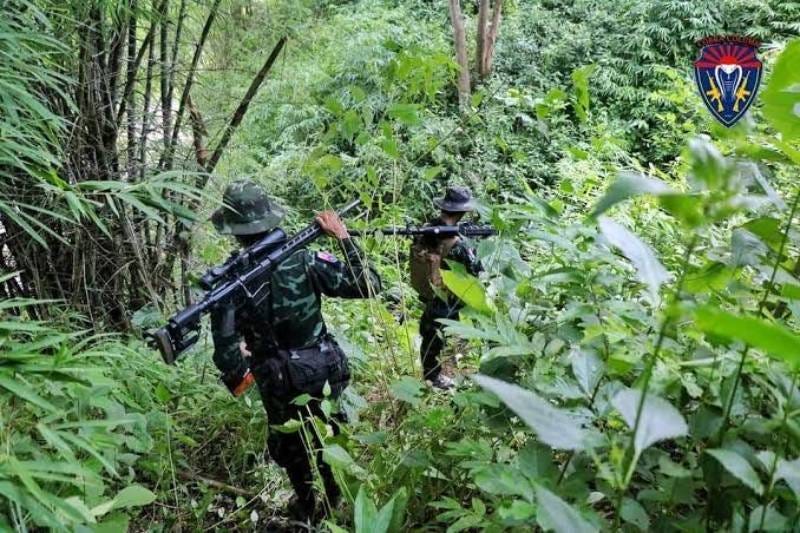
How has the Thai government responded to fighting along its border? Further on Thailand: the Thai government recently backed the junta’s bid to join ASEAN. Is Thailand actively supporting the junta?
RC:
I do not understand the Thai government’s position very well. Recently, we have seen the Thai government engaging in discussions with Min Aung Hlaing, the leader of the military junta. I hope that the Thai government will help us along the border.
However, at present, I think the Thai government’s cooperation with the military junta could create certain difficulties for us in border areas.
Historically, the Thai government has tried to remain neutral and not openly take either side. At present, I do not personally know what the Thai government intends to do after inviting Min Aung Hlaing.
One thing I am certain of, however, is that both Thai people and Myanmar people living in Thailand are genuinely unhappy about the Thai government meeting with Min Aung Hlaing, the leader of the military junta.
Militant Wire:
Concerning the current status of the battlefield, how successful have Tatmadaw offenses been in retaking territory and captured outposts? Have there been any notable recent successes made by anti-junta forces? We understand you were involved earlier this year in the capture of an important outpost near Wawlay, along with other factions. What does the capture of such outposts mean for the resistance? How important are border posts, and why?
RC:
Border bases are important, but even more importantly, weapons, military equipment, technology, and other forms of support needed by the revolution flow through border routes. Therefore, capturing military positions along the border is an important part of the revolution.
Militant Wire:
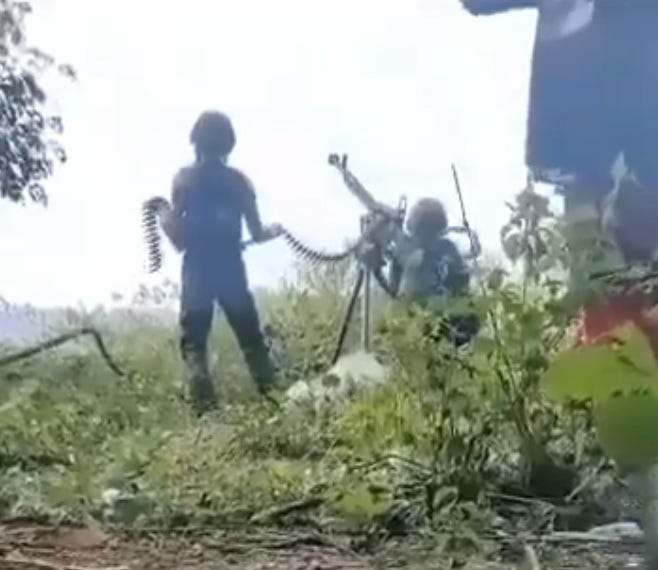
Has the Cobra Column come into contact with any pro-junta militias, such as The Peoples’ Militias, or other armed groups opposed to you who are not formally part of the state security forces?
RC:
As far as I am concerned, I simply regard this as something to laugh about when it comes to organizations that have nothing to do with the military situation and do not contribute to the revolution. I think that should be enough for you to understand what I mean.
Militant Wire:
Does either the junta itself, or opposing factions use illicit/illegal means to fund their side of the conflict, and if so, what forms do these take?
RC:
The military junta has been using the country’s entire national budget and resources to carry out illegal activities related to these conflicts. It has also been involved in numerous illegal economic activities with armed groups that cooperate with the military junta.
Militant Wire:
How does your sector of the conflict compare to, for instance, the Arakan Army’s advance towards Kyaukpyu’s oil terminal and port, or similar gains made by other militias? What do such operations mean for the junta?
RC:
There is a very significant difference [between fronts].
In Rakhine State, apart from the Arakan Army (AA), there are very few other ethnic armed organizations of comparable significance. The other Rakhine armed organizations that do exist do not have the military or political capacity to compete with the AA.
The reason is that the people of Rakhine have placed their trust and confidence almost entirely in the AA. That is also why the AA now controls almost the entirety of Rakhine State, with only Kyaukphyu, Sittwe, and Manaung remaining outside its control. It seems likely that the whole of Rakhine State will soon come under the AA.
Our situation is different. Here, the KNU/KNLA has stood alongside us since the beginning of our revolution. As for the DKBA, I cannot really comment.
The KNA, formerly known as the BGF, is clear — it is a Karen organization that cooperates with the military junta.
Therefore, it is important for Karen armed organizations to find ways to unite. Militarily, the KNU/KNLA is active, but it still needs significant support.
The fact that the military junta is working together with the KNA/BGF and certain elements of the DKBA in order to establish territorial control is a serious concern for the Karen people.
Militant Wire:
The Cobra Column is one of the most unique units fighting the junta currently, given that it is multi-ethnic and multi-confessional, and it is loyal to the National Unity Government. Do you see such cooperation as a path forward for the future of Myanmar, which has been fraught with ethnic tensions for nearly 100 years?
RC:
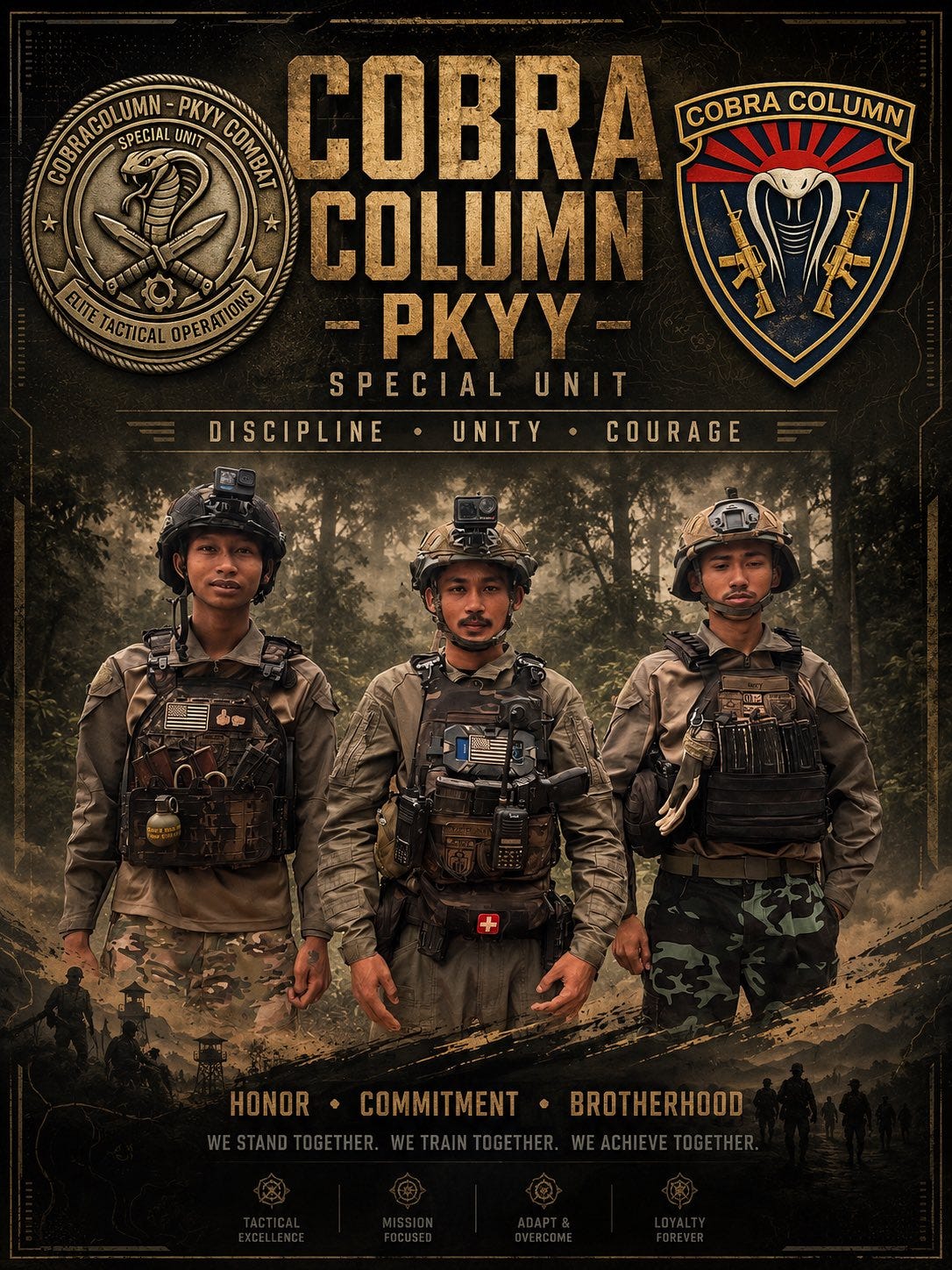
Yes, that is correct. Cobra Column includes people of different ethnicities and religions, with young people, middle-aged people, and older people all fighting together as part of the revolution.
We also have good relations with the NUG. We have been working together and fighting against the military dictatorship for more than five years now.
From the beginning, we have been determined to move systematically and consistently toward our goals without losing sight of our ultimate objective.
Our main goal is to overthrow the dictatorship and rebuild a free, independent, and prosperous country.
Militant Wire:
The Tatmadaw has been accused of human rights violations, from targeting civilians and summary executions, to sexual violence and the use of child soldiers. Would you care to comment on any of these accusations, and are they common in the conflict?
RC:
I think you already know about this. Since late 2023, the military has continued recruiting soldiers by forcibly conscripting young people inside the country, including underage children.
Another issue is that in areas where it cannot establish control, the military continues to use fighter aircraft to bomb towns, homes, religious buildings, and residential communities.
This is still happening. Children have been killed in significant numbers when schools have been bombed.
At the same time, their own state-controlled media outlets, such as MDW and MRTV, continue broadcasting fabricated and false reports claiming that the areas being bombed are locations where PDFs and ethnic armed organizations are based.
I honestly no longer understand why the UN and the international community continue to simply watch this happen despite knowing what is going on.
Militant Wire:
Anti-junta forces have relied largely upon ambush and other guerrilla tactics, with there being a few larger pitched battles worth mentioning. Would you care to describe the type of combat your unit sees regularly?
RC:
I would not say that there is one specific style of fighting.
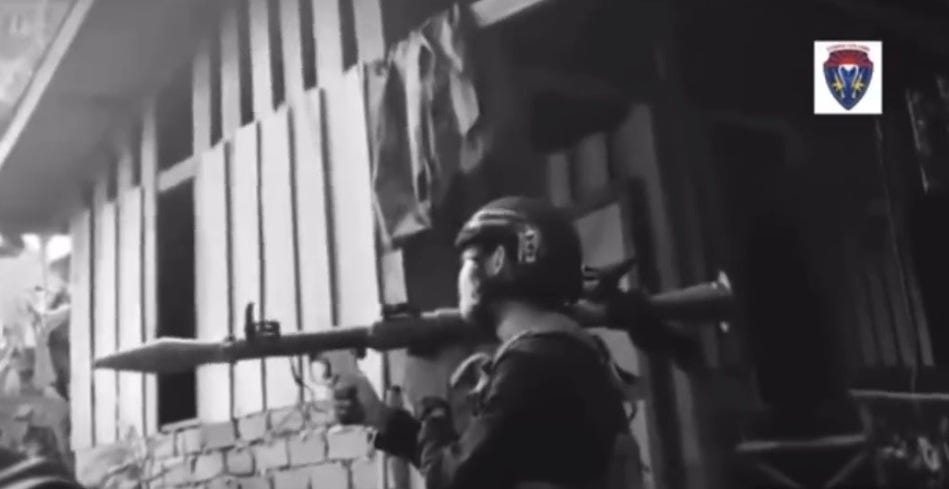
From a strategic perspective, we have to respond to the enemy’s actions while also developing and using strategies and methods that give us an advantage over them. We have to work together and adapt in order to achieve success.
After all, we are fighting the military of a dictatorship that has a major advantage in weapons and manpower. The way battles are conducted naturally differs from one location to another and from one battle to another.
Militant Wire:
How well defended would you say the area your forces currently occupy is?
RC:
Given the current military situation, and for the security of my unit, I respectfully decline to answer this question.
Militant Wire:
Given the complexity of the demographic terrain, the countless armed groups, and much of the world’s lack of understanding of the situation in Myanmar, is there anything specific you would like our readers to know about the current war, or your situation in particular?
RC:
To put it simply, Myanmar was doing relatively well under Daw Aung San Suu Kyi’s NLD government, and there were many signs and opportunities for the country to develop. This is widely recognized.
For more than six decades, the military has maintained an authoritarian system and monopolized political power. Ethnic armed organizations emerged, and successive military generals systematically weakened the country while using the civil war to maintain their own interests.
In 2021, the military seized power from the NLD government after creating a false narrative about electoral fraud following the 2020 election — the first election in which I personally voted as an adult. On February 1, 2021, the military seized power again in order to preserve its authority and privileges.
This is a clear indication that they did not want the country and its people to prosper. As they could no longer pursue opportunities abroad or gain international recognition through their own capabilities, they chose to think only about maintaining power for a small group of military dictators and seized control of the country again.
They dragged the country into a situation defined by inhumanity, a lack of transparency, injustice, and the mentality that those with power can simply do whatever they want.
Today, inside the country, criminals and opportunists who cooperate with the military junta continue to abuse people in cities, villages, and neighborhoods on a daily basis.
As I said earlier, this has been going on for more than five years.
It is not enough for the UN to simply issue statements expressing concern. It is not enough for the world to simply watch.
Every day, civilians are losing their lives and homes. Revolutionary fighters who are fighting for democracy are losing their lives and suffering permanent injuries and loss of limbs.
So please, do not continue simply watching what is happening.
Think about what can actually be done. Stand courageously on the side of truth and justice.
Nobody wants war.
But for the revolutionary comrades who are risking and sacrificing their lives because they cannot simply sit back and watch injustice, and for the people of Myanmar who continue to long for freedom and justice, I ask the international community to do whatever it can to help.
Militant Wire:
Thank you, for your time, attention, and willingness to speak with us.
 | A guest post by
|
 | A guest post by
|
It's heartbreaking for any Country to have to be at war with their own leaders. . .and for it to continue for so long. Innocents shouldn't have to endure this type of life. Thank you for this eye opening article. I pray that the powers that be are able to assist in a better life for the Myanmar people and end the greeded benefits to a selected few. Praying. . .🙏🙏